
What is Travel Reminiscence, and how did it come to be?
Travel Reminiscence is a short documentary about Remembering Yesterday, Caring Today (RYCT), a creative 10-week reminiscence program for people living with dementia and their caregivers. It is the third and final instalment in a trilogy of short films I have made about the program, including Wedding Reminiscence and Food Reminiscence.
I have been involved with RYCT for close to 4 years, providing publicity and session support. During this time, I have witnessed the many stories, memories and connections that emerge through the sessions, and I wanted to document these on film.
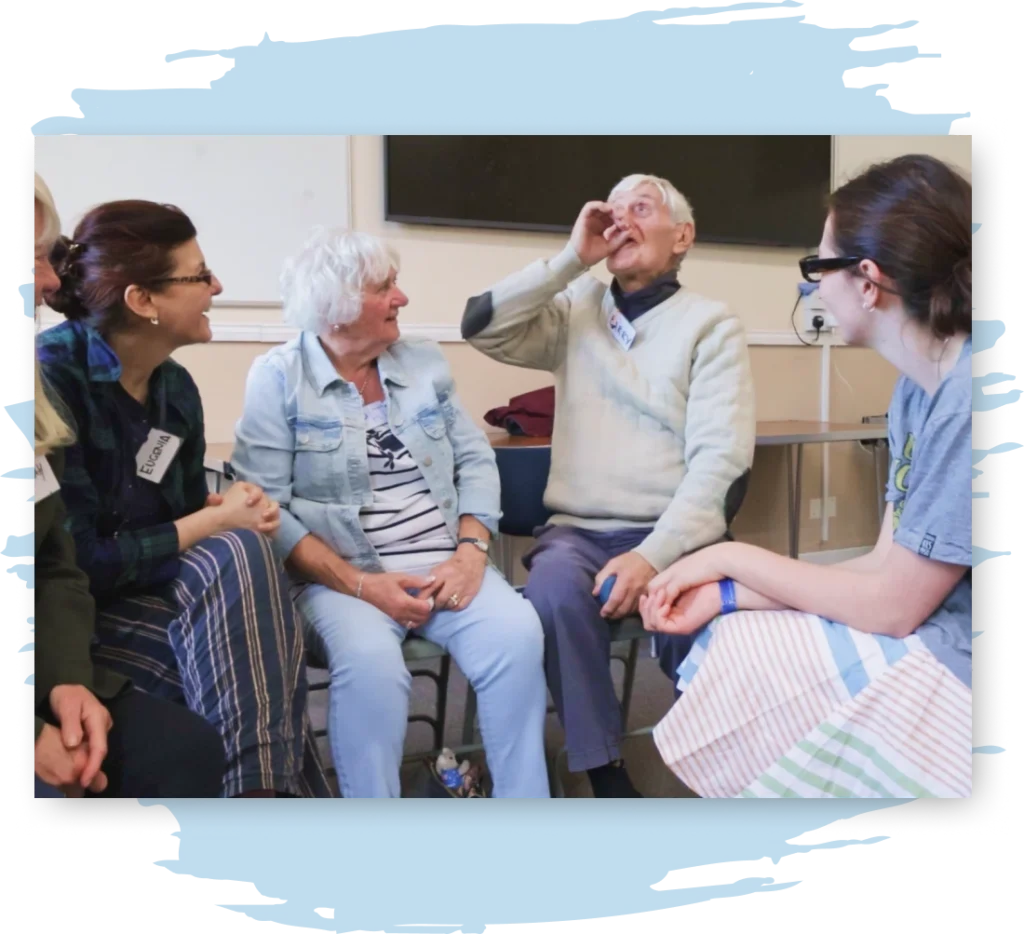
Travel Reminiscence stands out within the trilogy for showcasing the wide range of creative approaches that reminiscence work can encompass. Participants explore travel-themed memories through performance, discussion, drawing, writing and singing, demonstrating the benefits that each approach can bring.
As with all the films in the trilogy, Travel Reminiscence was screened to participants shortly after filming, allowing it to be shown within the timeframe of the program. The documentary provided an opportunity for participants to recap and celebrate the memories they had shared together, as well as receive feedback.
The film also aims to give arts and health professionals an insight into creative approaches to dementia care. I have, therefore, sought to capture the participants’ involvement and the RYCT team’s role in facilitating and supporting the session.
For a wider audience, I hope the film demonstrates that people living with dementia and their carers can continue to share meaningful experiences together, offering a more nuanced perspective on the tragedy narrative that so often surrounds dementia.
What inspired you to grapple with dementia?
My time as a care assistant in a dementia care home greatly inspired these films.
Each resident had a board outside their room providing staff with information about their hobbies, family, work, and other aspects of their lives. A brief biography was also available on the shared software used for record-keeping. I found this information invaluable in helping me build more meaningful interactions with residents.
However, some residents had little or no information available, which made it more difficult to connect with them and understand their lives. If I had known about reminiscence work at the time, I might have been better equipped to address this.
Sharing reminiscence work through these films, therefore, has a personal objective: to demonstrate how learning about a person’s life and memories can help us connect with them more meaningfully.
How has working on dementia-related art changed you?
Developing my practice through RYCT has changed my understanding of the role of documentary for participants. Rather than seeing the final edit as solely the responsibility of the filmmaker and crew, I have developed a process of sharing an early draft with participants and incorporating their feedback into the final film.
This approach emerged when a care partner requested to see the footage before its public release. This led me to recognize the value of giving participants greater say over how their experiences are represented.
The approach also supports RYCT’s aim of creating opportunities for participants to reflect on and celebrate their experiences on the program.
The feedback I have received through this process has been both positive and negative, encouraging me to think more carefully about how this approach could be improved in future projects.
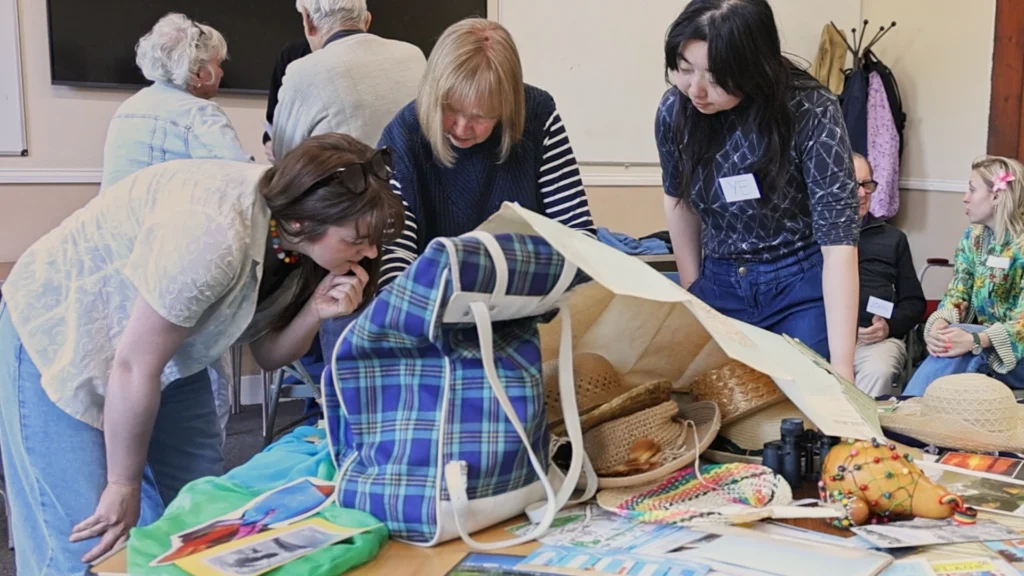
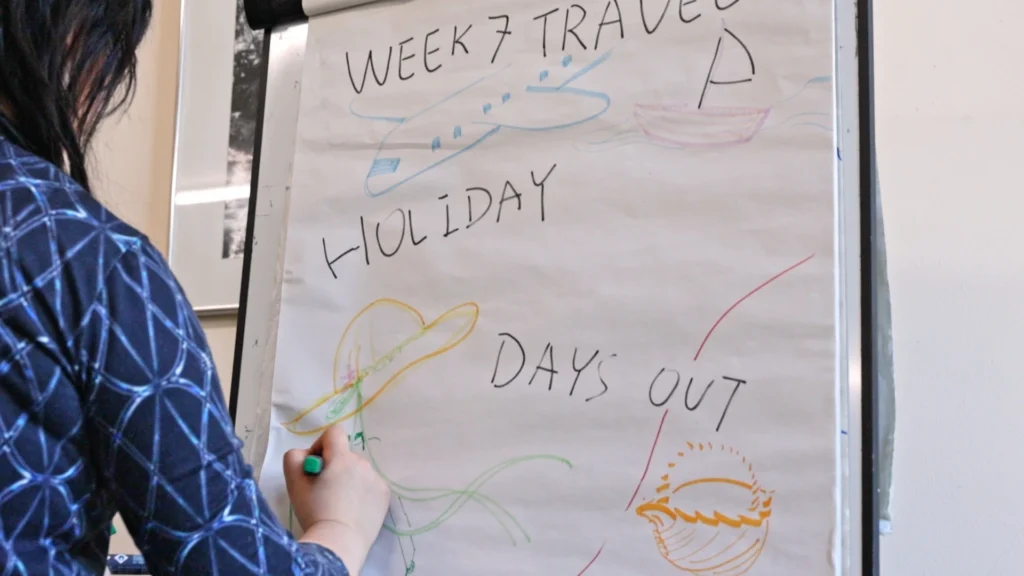
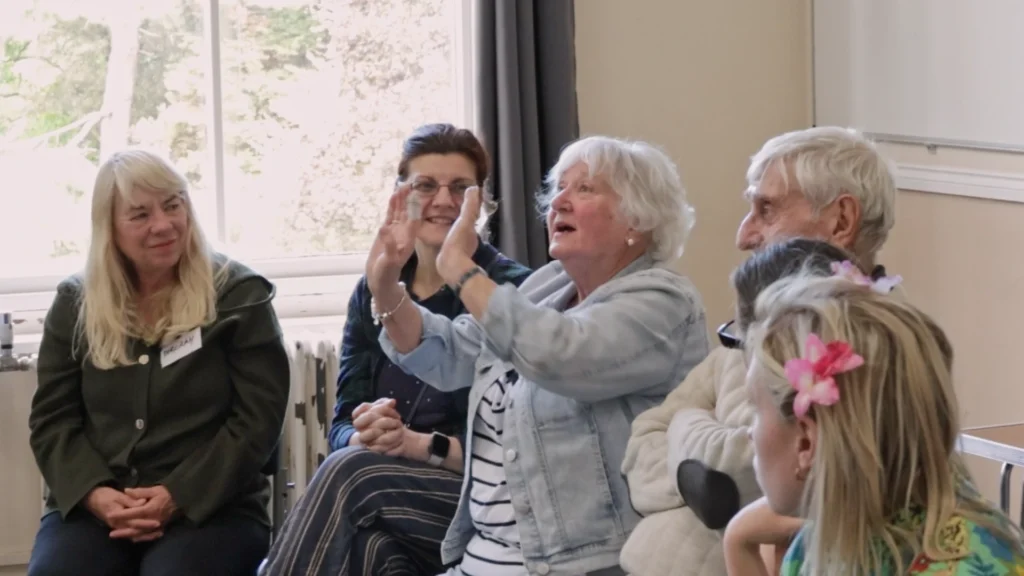
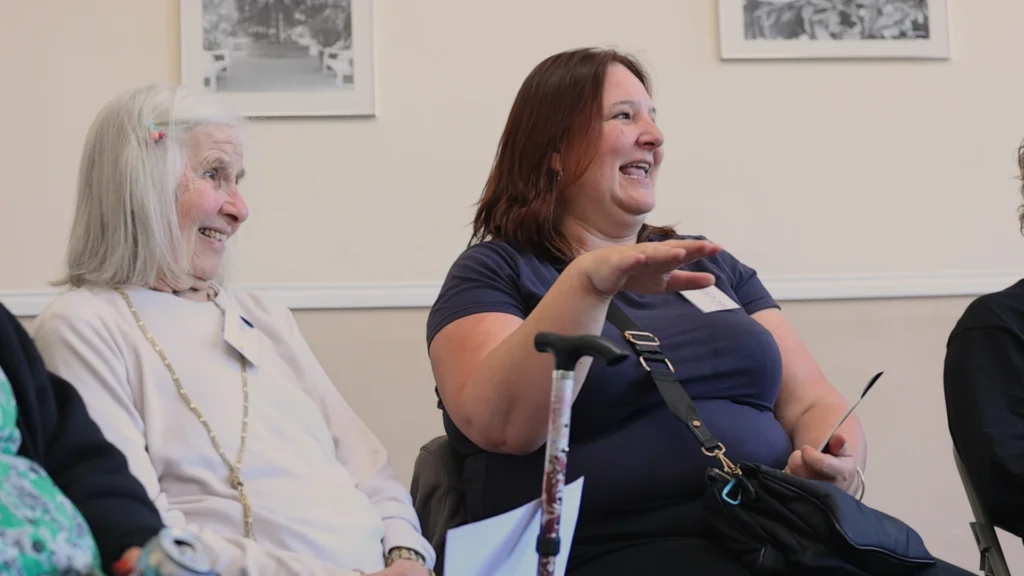
Reminiscence work includes the sharing of props, materials, and photographs to spur shared stories among groups of individuals that include those living with dementia and their caregivers. The theme of this gathering was vacation and travel.
How has Travel Reminiscence been received?
Participant feedback highlighted the challenge of balancing explanation with observation. To provide context for audiences unfamiliar with reminiscence arts, the film included footage of session facilitation and explanatory text. However, some viewers felt these elements detracted from the film’s entertainment value and shifted attention away from participants’ experiences. In response, I re-edited the film to create a stronger balance between context and participant-led storytelling.
Feedback also highlighted the importance of representing the wider experiences of dementia care. One carer noted that the film focused primarily on positive experiences within RYCT rather than the everyday challenges faced by unpaid caregivers. However, these discussions took place separately to protect participant privacy and were, therefore, not filmed.
Nevertheless, the film carried value, as one carer shared it with family and friends to demonstrate how reminiscence could be used to support their loved one living with dementia.
Find more from Barney Gibbons on his website, Instagram, and LinkedIn, and read his previous Spotlight for Wedding Reminiscence previously published here. Find out more from RYCT on its Instagram and here. This film was supported using public funding from the National Lottery through Arts Council England. Match funding was provided by European Reminiscence Network.