
What is Metamorphosis, and how did it come to be?
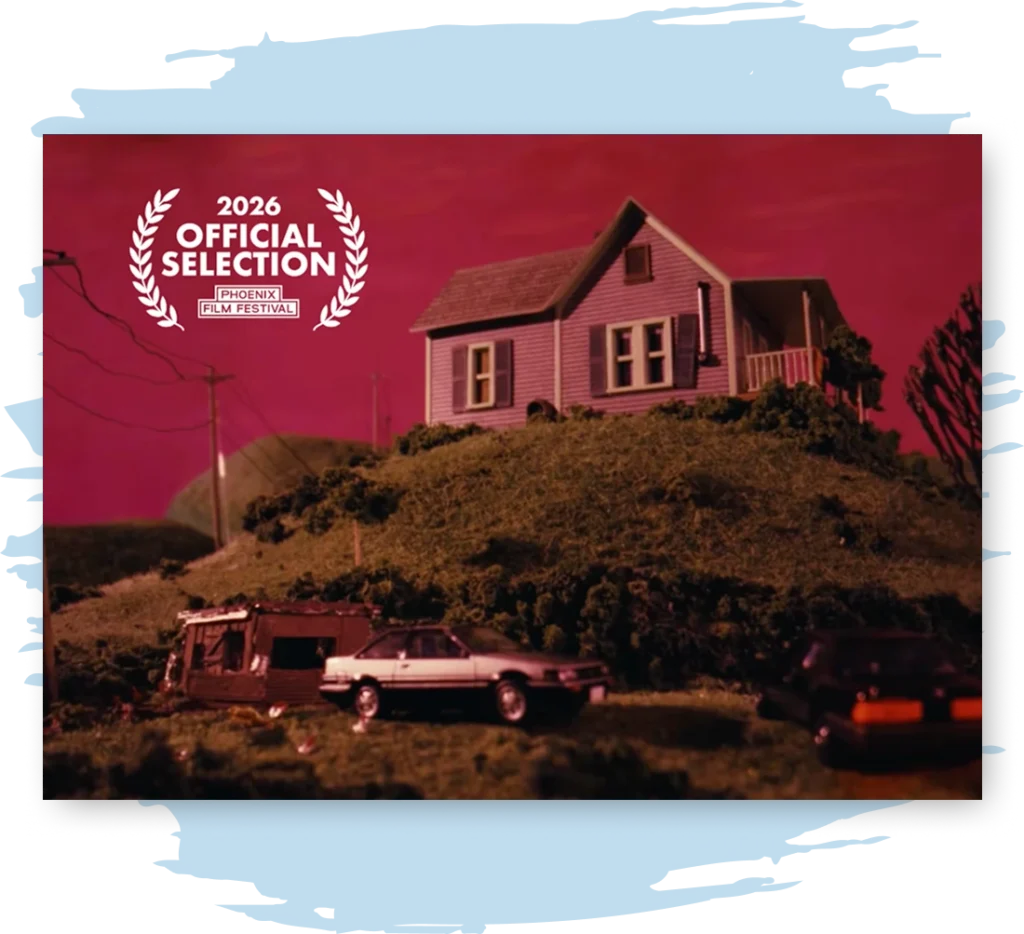
When a young man by the name of Frogface sees that his grandfather has turned into a giant caterpillar, he will try to figure out how to save his grandfather before it is too late and his insect transformation is complete. Along the way, he will find his only help in his family and the caregivers for his beloved grandfather, but it seems like all of them know something that he doesn’t.
Metamorphosis came about after a few years of processing the loss of my grandfather, and acknowledging that, as a teenager, my biggest emotional reaction to his quick decline was genuine fear and isolation. Watching Alzheimer’s disease take his brain and body in less than a year was horrifying, and I was not prepared to switch roles of responsibility with him this quickly.
The level of fear and confusion that struck not only me, but my entire household, was unspoken but present each day. The much quieter home, and more seldom conversations, were isolating for all of us.
After years of maturing and watching more people around me pass to dementia, I was able to find a more nuanced understanding of the human process of aging and decline in autonomy; we as a family have been built by our elders, and we should be honored to find beauty in becoming their foundation now.
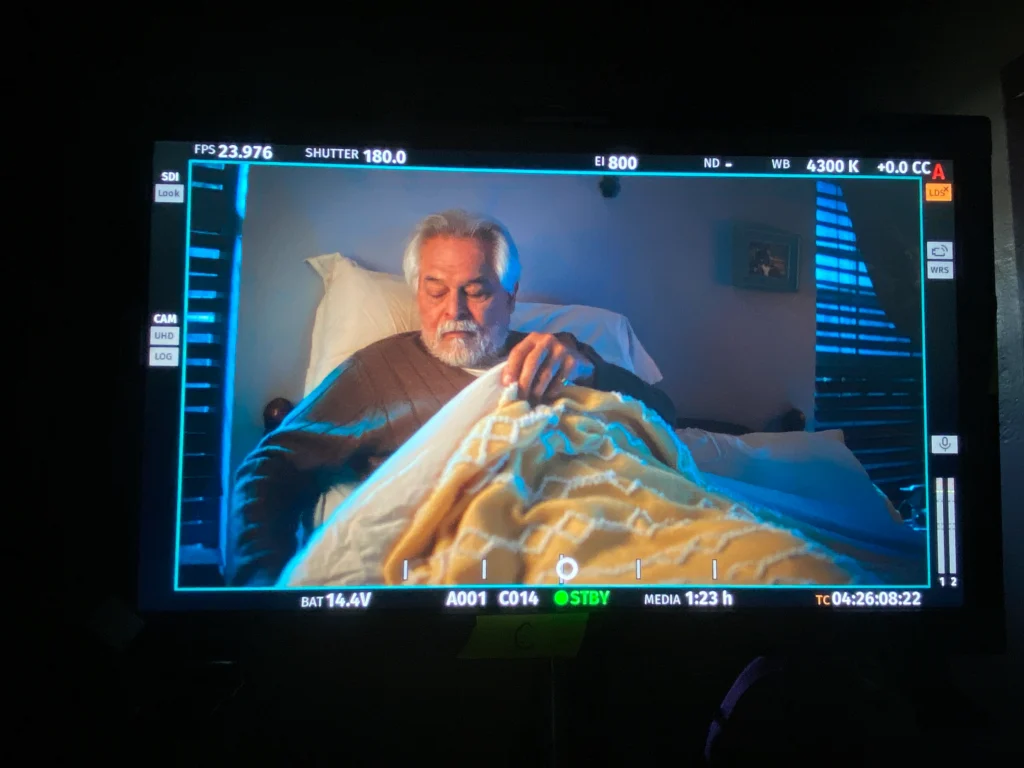
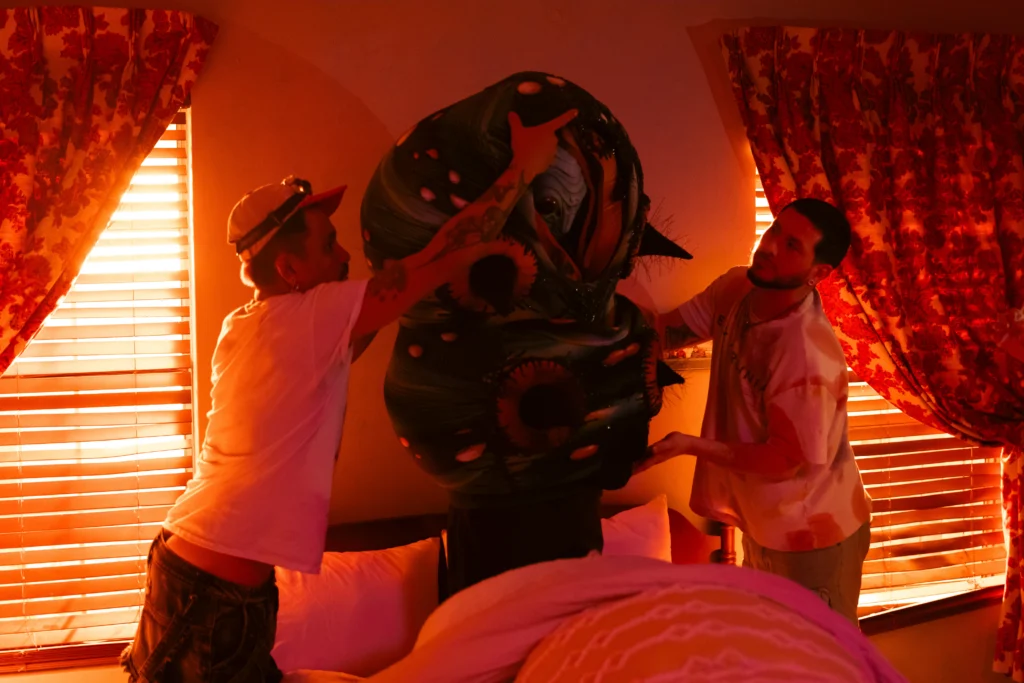
Antonio Cavallo’s Metamorphosis is a film that features a family confronting the crisis of his grandfather turning into a caterpillar to portray the experience of a teenager growing up within a family system living with dementia.
Who initially inspired you to grapple with dementia?
The “inspiration” to grapple with dementia was the introduction of it as a constant in my everyday life; my frustrations and fears around watching my family lose their lives to this illness was something that I struggled with more consistently than not. I did not understand how to accept this reality, and I didn’t want to, resulting in years of avoiding engaging with it in any meaningful manner, and led to a big breakdown a few years down the road.
The overwhelming love I have for my grandparents, and my grief, came crashing down on me while at work and, through tears and coworkers’ strange gazes, the realization of my emotion was laid out on the floor in front of me. It was clear that making this movie was as much therapy for me as it was another film.
How has working on dementia-related art changed you?
On a self-reflective note, making a film about dementia was the first I really saw that my films can help someone. At each showing, I have someone express a very genuine connection to the topic and the presentation of it. Though this is reassuring on the surface, it’s an unfortunate sentiment to think that nearly every room I’m in is affected by Alzheimer’s.
When I first started filmmaking, my observations were around topics much more narrow-sighted and niche to my own life, but Metamorphosis was something that felt consumable and necessary. Through this project, I’ve learned the value of starting conversations around aging and the dementia umbrella. It inspires me to grow the conversation around aging here.
How has Metamorphosis been received?
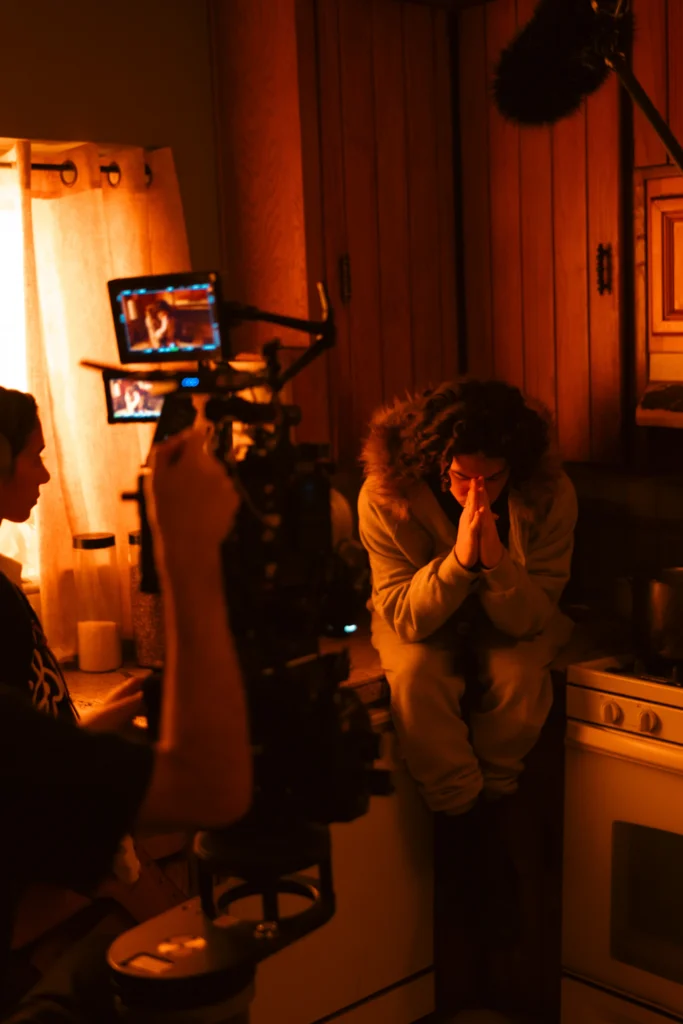
My goal was to make a film that could be watched by everyone, but I have to admit that my favorite audience to show it to are the elderly and caregivers. They have consistently appreciated the nuances in my presentation and find the most relation to the very abnormal metaphor, and situation-specific jokes.
I was blessed with an older audience at a recent festival appearance and quite a few of them were directly affected by dementia and expressed everything I hope to achieve with the film: catharsis, an honest approach they hadn’t seen before, and a softer message than they expected. The film has been a part of the Buffalo International Film Festival, the Dam Short Film Festival, and the Phoenix Film Festival.
Hearing many different audiences from across the country, specifically those in the dementia community, find enjoyment and peace in the message was what I aimed for through production.
This work is dedicated to: My grandfather, Poopa, and all my other grandparents who each lived with different degrees of dementia. The film is also made for my parents, who maintained beautiful relationships with their parents and gave me the invaluable, deep family base I was raised in. Unfortunately, this film is also dedicated to a dear friend of mine, Marcus Giesen, who passed too soon. My memories with him and the love he shared with the world around him inspired much of the dialogue in this film, and Marcus’s continued support of me in my personal life and artistic journey is why I was in the position to even make this film.
Find more on Antonio Cavallo and Metamorphosis on their respective Instagrams.