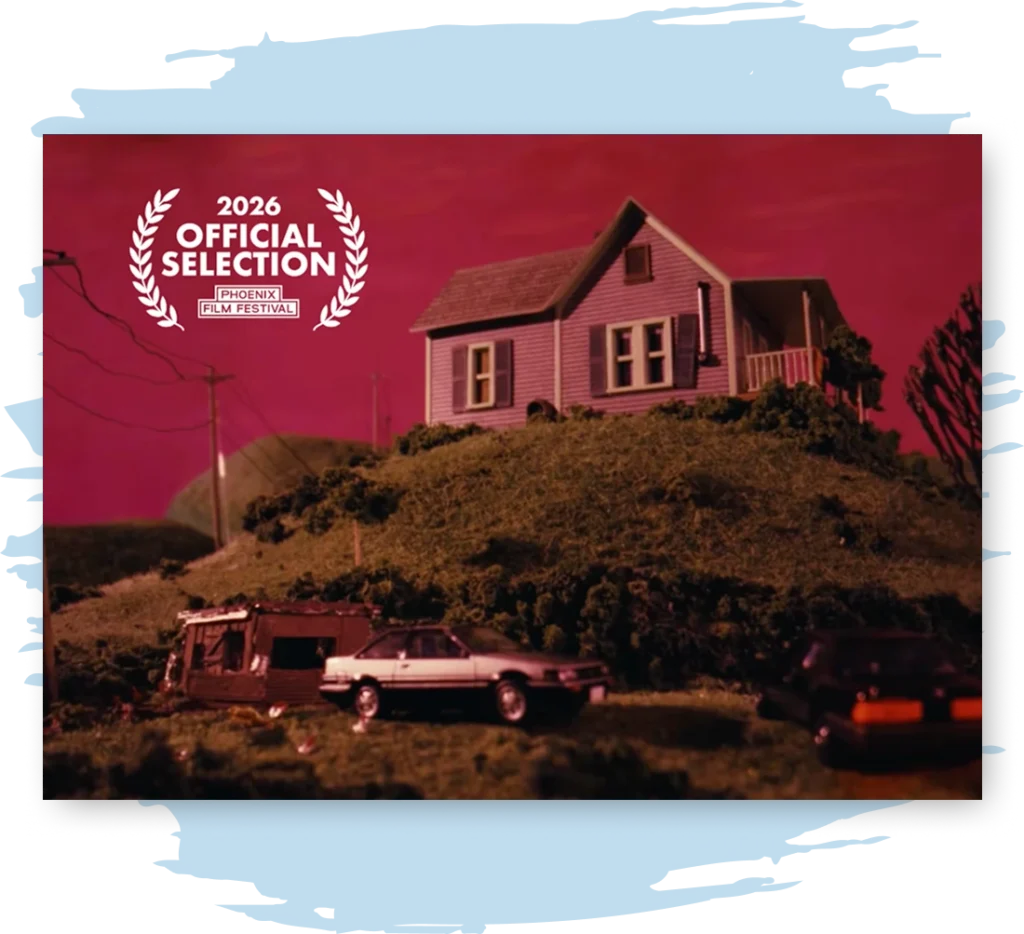


What is Memory Generation, and how did it come to be?
Sara Zatz (SZ): Memory Generation, co-created by me (Pink Fang), and Sherrine Azab (A Host of People), is a new interactive, experiential theater production that is hosted in a memory cafe environment. Developed through extensive community interviews, artist gatherings, and lived experience, the work is shaped by real stories of caregiving, memory loss, and connection, reflecting the voices of those directly navigating these journeys.
The production was collaboratively developed over 2 years between Sherrine (director) and I (writer), with engagement support from Community and Project Advisor Andrew Morton. Memory Generation invites audiences into an intimate, intergenerational gathering space that blends theatrical narrative, creative participation, and communal exchange in a memory café environment. These creative social spaces are designed specifically for people living with dementia, their friends, and their families, which focus on creative experiences.
Through storytelling and fostering creative connections, Memory Generation explores the challenges, moments of humor, and unexpected losses and victories that arise when dementia impacts individuals, families, and communities.
Memory Generation features an intergenerational cast, Manny Dunn, Kirya Traber, Aaron Landsman, and Tamar Rogoff, each with lived experience of caregiving. Each performance seats about 30 people at cafe tables and begins and ends with 30 minutes of creative activities and space for reflection for all audience members.


Who initially inspired you to grapple with dementia?
SZ: As the Artistic Director, Engagement for Pink Fang (formerly Ping Chong and Company), I have a long history of working with interview-based and community-engaged processes, inviting people to share their stories on stage through documentary theater.
I also have a long history of Alzheimer’s disease in my family. When my father was moving through memory loss, his partner asked me to make a show that would highlight the experience of both people living with dementia and the often invisible experiences of caregivers.
That was the initial inspiration, and that urgency deepened as dementia became a huge part of my lived experience. My first action was to reach out to dear past collaborator and colleague Sherrine, who has extensive experience with devised/documentary/community-based processes and a personal connection to dementia, caregiving, and creative aging work, to begin building a process together.

How has working on dementia-related art changed you?
SZ: Memory Generation is changing me at the core, artistically and personally. Although I have partnered with many community members to tell stories of place, identity, and experience, I have never put myself or my own story in any creative project I have ever done.
As I journeyed with my father, Marty Zatz, on his path of memory loss, I wanted to write about it, and to read and experience other artists’ perspectives on their own experiences. Memory Generation has created an opportunity for me to expand my sense of who I can be as an artist, and has helped me build my capacity to be a support to other caregivers on this journey.
In fact, Memory Generation includes moments of recordings between me and my dad; it is profound to hear his voice at each rehearsal. I wanted to honor him with this work of art, and recognize that dementia can be so much more than loss, but also a place of expansion and connection, a place of learning, letting go, and deep care.
Sherrine Azab (SA): Developing Memory Generation has been very meaningful for me. My family dynamic is pretty complex and has only gotten more so since dementia has entered our reality.
I’m grateful to share a small aspect of that perspective, and that of the many people our creative team spoke with to help inform this project, so that others might see their experience reflected in it.
Care is really at the center of Memory Generation, and so it’s important to be reminded that we are all, or will be, caregivers, care-receivers, and care partners throughout our lives. How do we show up for each other in these moments, not just for our immediate families, but for our communities as well?
This show also wrestles with how challenging it can feel to ask for support. As someone who has a hard time asking for help, the conversation about it in the piece has made me just a little less afraid of asking and more open to accepting and receiving help. I’m definitely more assertive in offering it.

How has Memory Generation been received?
SZ & SA: Memory Generation is premiering this month (May 2026), so we are anticipating audience reactions, but the overwhelming response we have received when sharing about the project has been “Thank you for doing this. This is so needed.”
The development process included a series of conversations with theater artists who themselves have experience with caregiving and dementia, and interviews with people from across the United States who have a broad range of experiences and relationships to dementia, across culture, class, immigration history, gender, family structure, and other touchpoints that impact caregiving and experience with memory loss.
Throughout this creative process, there has been a palpable sense of connection and community, and a desire to see more of these stories in the world and in the creative sphere. Ultimately, this piece is about the role of care in our lives, with dementia as the lens.
This work is dedicated to: Marty Zatz, who passed away in January 2026, after a many-year journey with and through dementia, and Diana, for being Sherrine’s partner on this journey.
Find more information about Sara Zatz and Pink Fang on the web, Instagram, and Facebook, and about Sherrine Azab and A Host of People on its website, Instagram, and Facebook. Catch Memory Generation live in New York City through May 10 at the Community Arts Space of La MaMa or in Detroit in 2027 at A Host of People’s new community arts space.