
What is Madre, and how did it come to be?
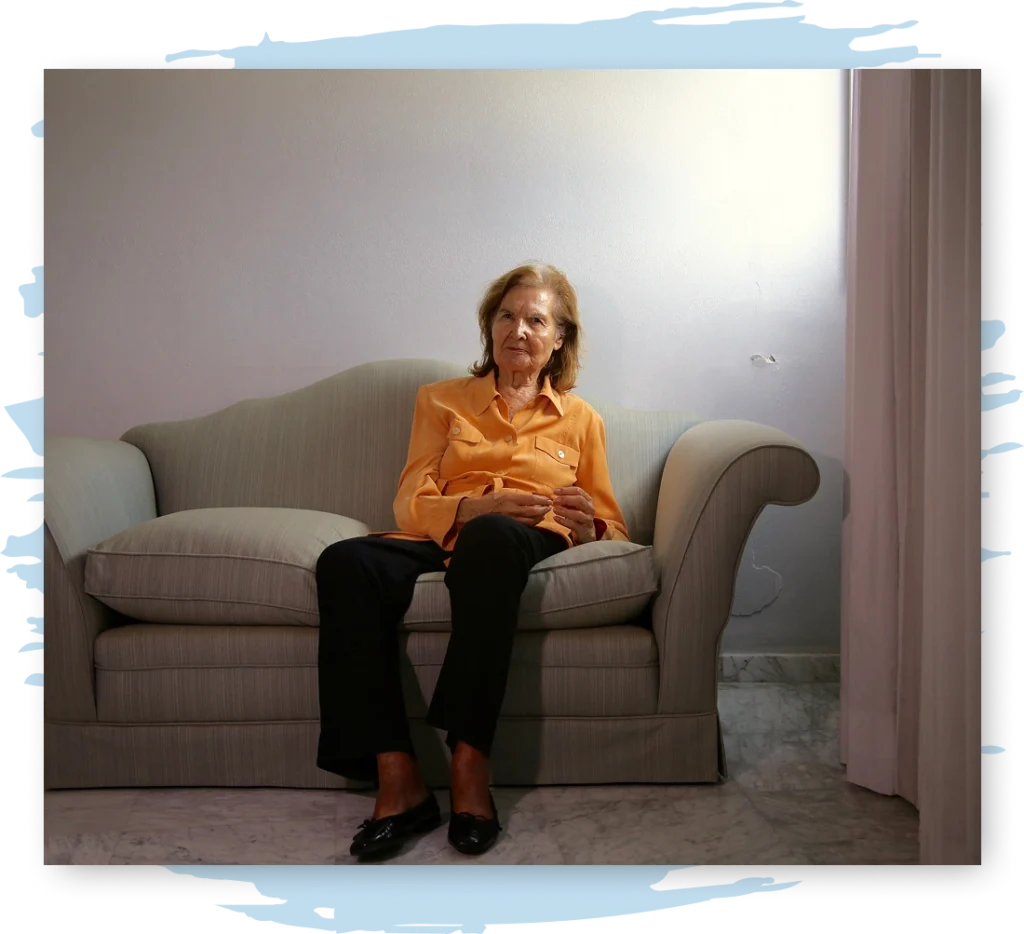
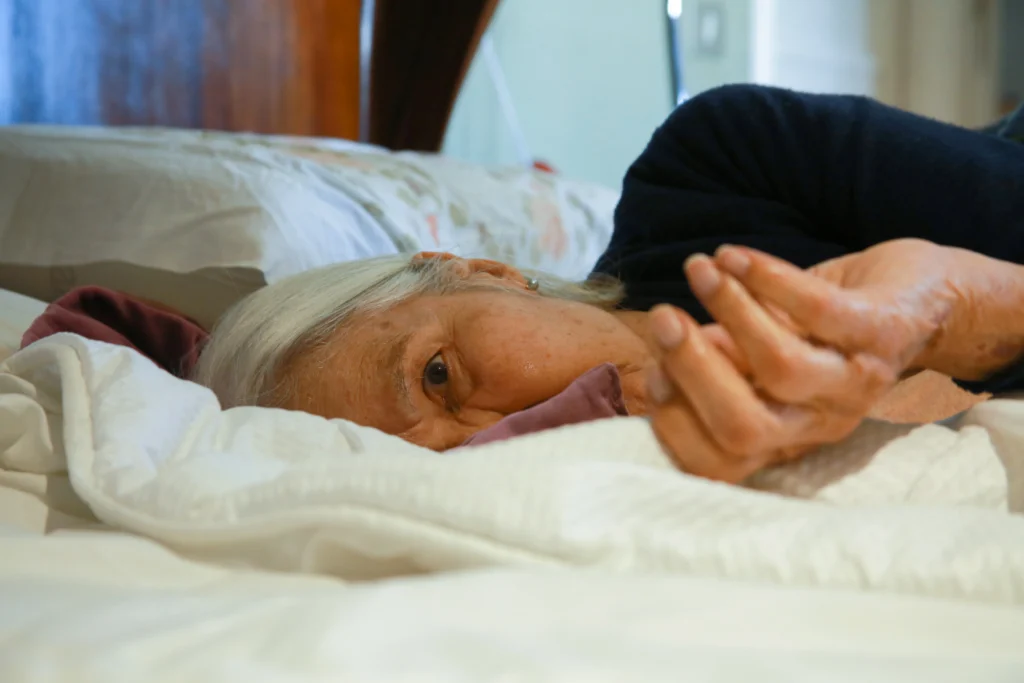
My project, Madre, is composed of a series of photographs I made to record a visual memoir of my mother, Guadalupe. The photo collection depicts her day-to-day life and how Guadalupe interacted with those around her. I kept a growing archive of these pictures, adding old family snapshots to it.
This initial stage of the project began when my mum was officially diagnosed with Alzheimer´s disease; it was my way of holding onto her and making her memory permanent. In the latter stages, the pictures I made were often done with my mobile, rather than my reflex camera. Throughout the process, I never used a flash because I wanted to keep the sessions intimate. Thus, I had to work with natural and ambient lighting, which meant I compromised the sharpness, but not the meaning.
I wanted my pictures to form part of a photobook that I could share with those going through a similar experience, hoping to bring some comfort to them in the knowledge that they were not alone. I felt so uninformed and unsupported when dealing with my mother´s illness. Furthermore, I wanted to think of my work as helping, in some little way, to bring more awareness of the disease and to help encourage much-needed funding for further research.
When my mother passed away, I began curating this photo collection. Although this was challenging, I found the process helped me tremendously in dealing with my grief.
It was hard knowing which pictures to include. I wanted the images to be kind, as opposed to a forensic depiction of the impact the illness had on my mother. For this reason, I felt it would be important to include contact sheets of a small selection of old snapshots at the beginning of the book, as a tribute to her life and to bring some further context into her story by including her past.

Who initially inspired you to grapple with dementia?
After my dad, Florentin, died in 2011 following his battle with cancer, I found the visual memories of him faded. I did not want the same to happen again with my mum, which, in part, was what compelled me to embark on this project that has spanned several years and continues.
I was also driven by a need to understand my relationship with her and to deal with unresolved issues, whilst at the same time grieving the loss of the familiar as she faded away. I felt the making of my work helped me to assimilate and accept, to some degree, the changes in her.
Larry Sultan´s book, Pictures from Home, originally published in 1992, was also a great source of inspiration. His project spanned almost 10 years. It was his way of holding on to his parents, an act of love that resonated with me.

How has working on dementia-related art changed you?
Making Madre, made me realize the power of my camera as a tool to express myself. It gave me a voice. I was able to explore all kinds of feelings I was having as the disease took hold, but it also allowed me to share moments and experiences with my mother, some terrible and some beautiful.
My photography also gave me a purpose when I felt so impotent. I knew that some day I would look back on these pictures as a reminder of our shared moments
I wanted to convey the importance of holding on to those tender moments, encouraging people to see this disease with different eyes, as people living with Alzheimer´s disease can be so misunderstood.
How has Madre been received?
I plan to make this photo collection into a photobook, preferably a hardbound version, to publish and submit to competitions and give Madre more exposure.
My audience to date is mostly made up of friends and those whom I have met in my community, with close family members or spouses who have suffered or are suffering from this disease. They seemed to have been moved: some felt encouraged to open up about their experiences, whilst others expressed a better understanding of the disease.
This work is dedicated to: Madre is dedicated to my mother, Guadalupe, who always encouraged me in my photographic work, and whenever she could, would participate. But also, to all those suffering from Alzheimer’s disease and other dementias, and their families.
Find more from Antoinette Castro on her website,Instagram, and Facebook.