
What is Don’t Forget Me, and how did it come to be?
One day, my mom, Madeleine, called me to share a humorous and heartbreaking story. My grandmother, Patricia, who has been suffering from dementia and was recently transferred to a full-time care facility, had forgotten how to apply her makeup. She came to the door with ruby red lipstick smeared across her forehead, cheeks and eyes. The comedy and grotesqueness of that image stayed with me.
I knew I wanted to create a dance duet that showcased how makeup represented a part of my grandmother that was something she held onto so tightly—and was ultimately something that had to be taken away.
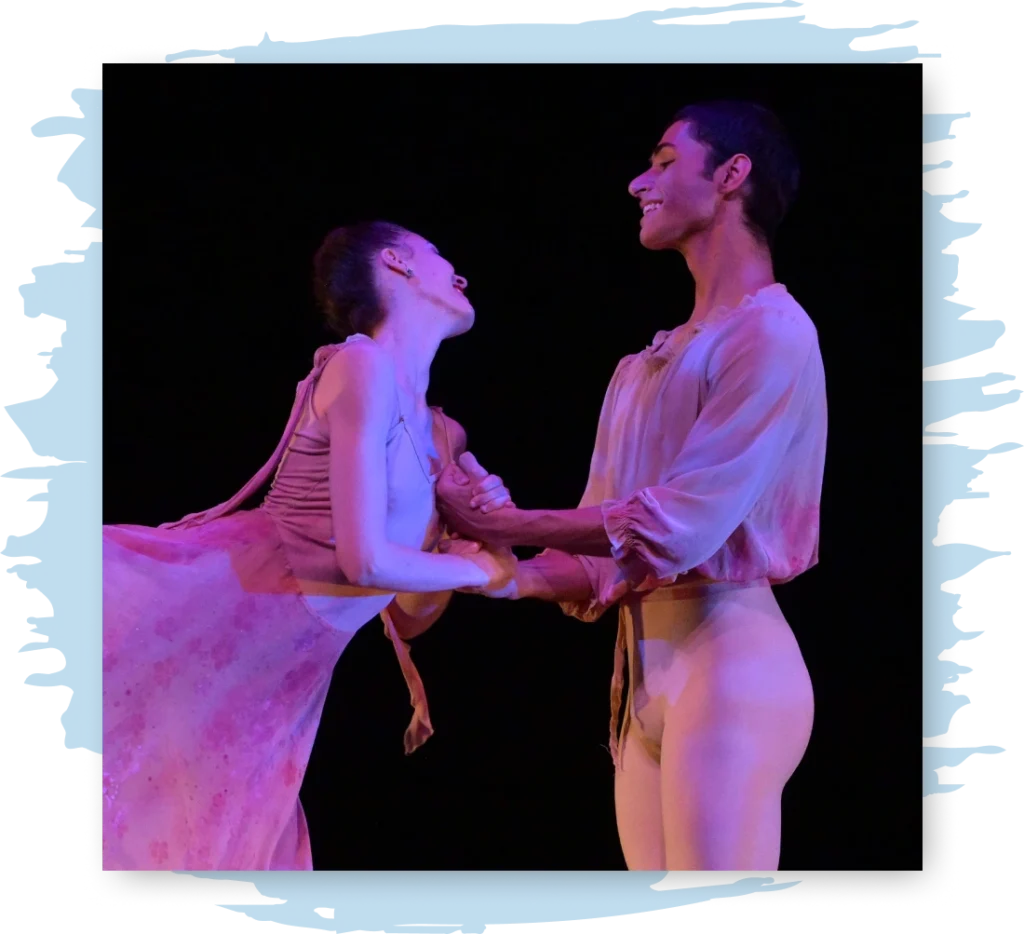
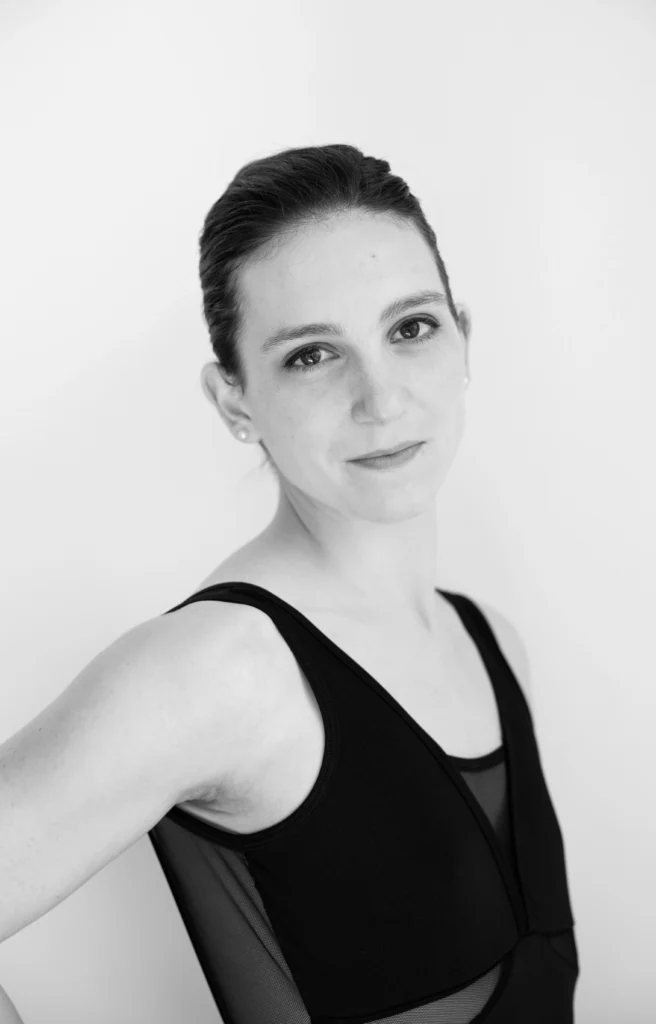
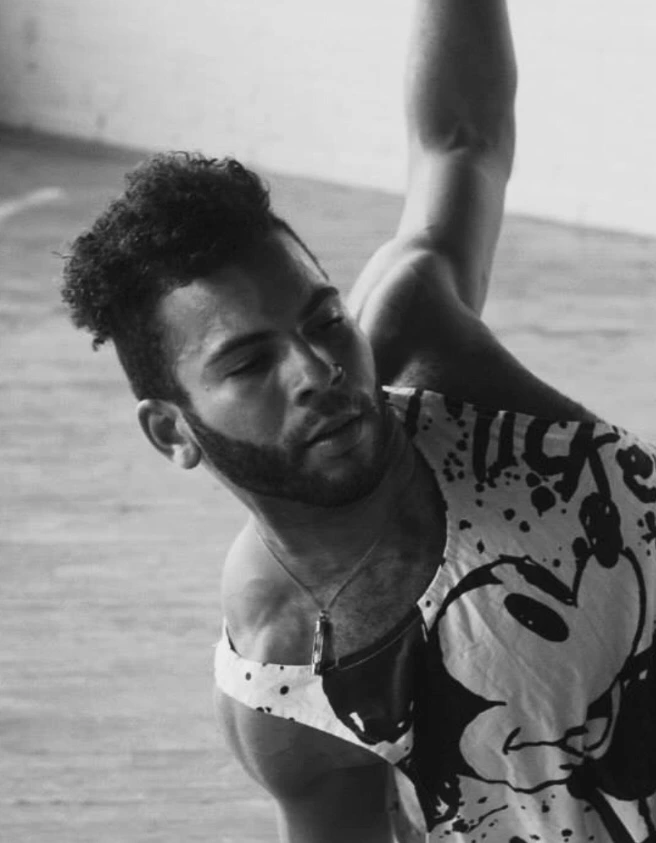
Inside the dance studio, my dance partner, Dennis Davis, and I explored that dynamic of power and safety with a lot of lifts and weight-sharing. We focused on the emotions behind the makeup and faces: How does it feel to have some part of you stolen away? How does that anger and confusion show up in the explosiveness or limpness of the dancers’ movements? How necessary do the small moments of tenderness now feel!
What quickly became clear during this process was that both of the characters were going through a deeply transformative experience. For them, nothing could be assumed, nothing taken for granted, despite years of rich history together. The fear of forgetting and being forgotten motivated them to hold each other tightly, to fight each other, to ignore each other. How can we love someone we don’t know?
The duet is set to David Lang’s Just (After Song of Songs) and can be viewed in full here.
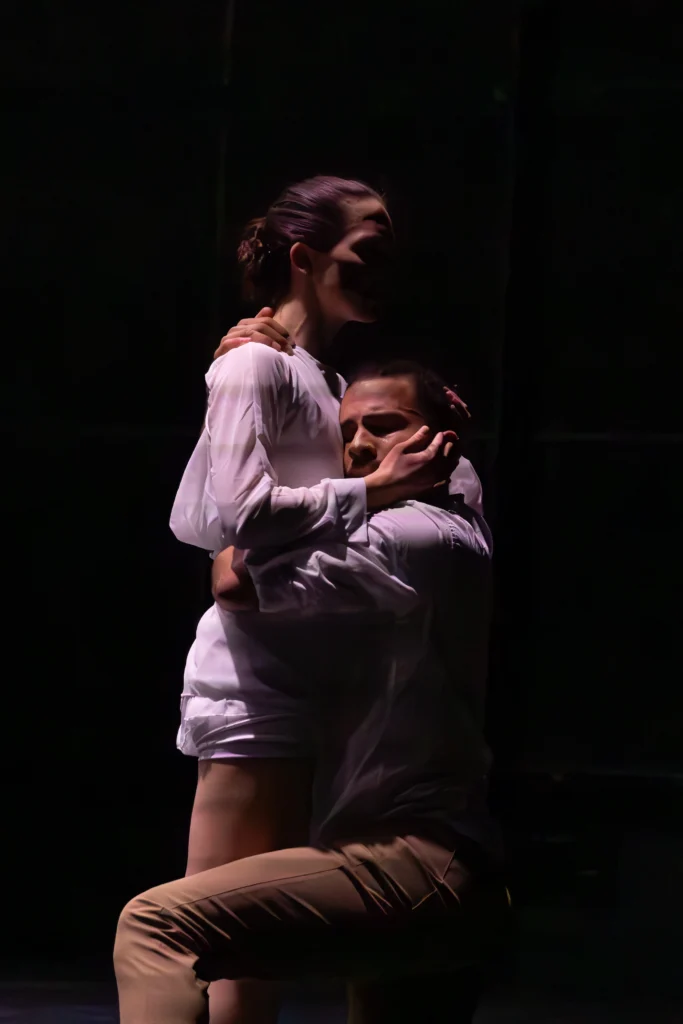
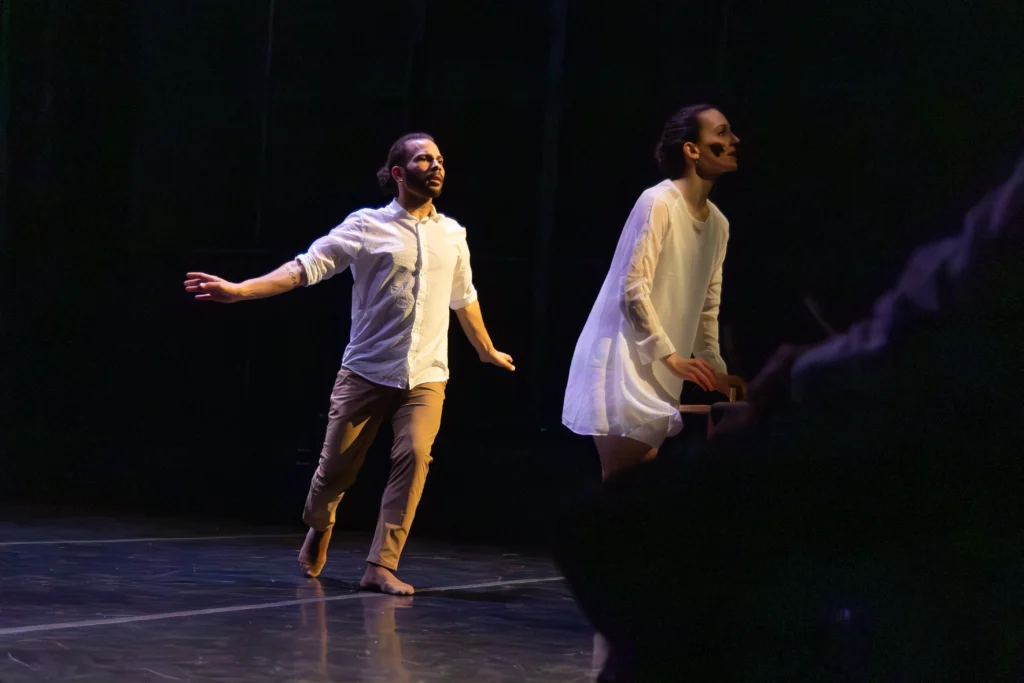
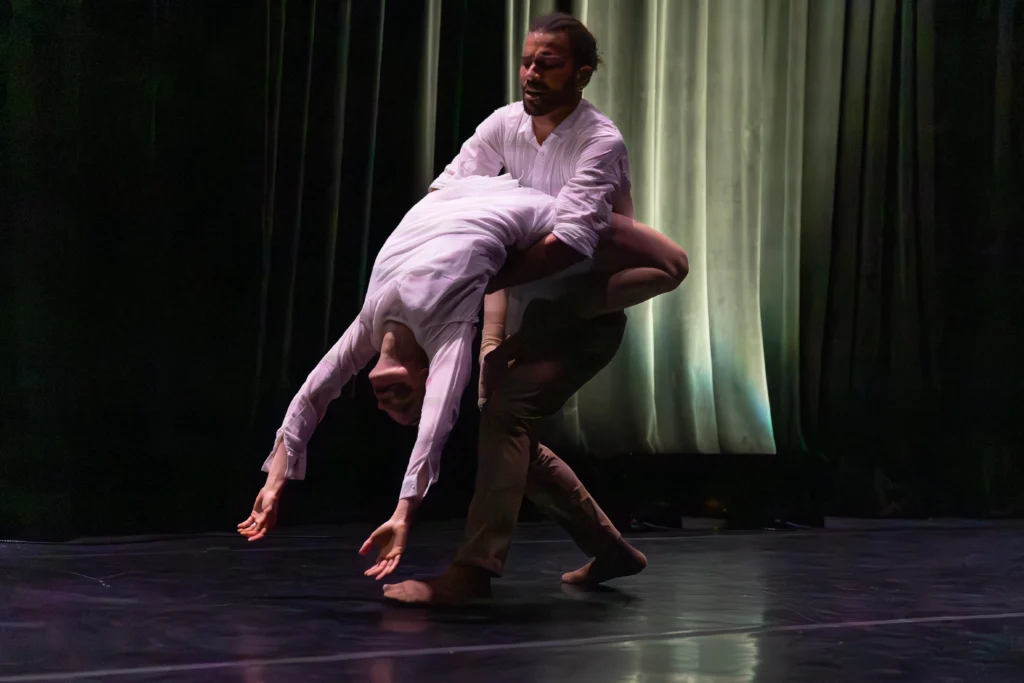
‘Don’t Forget Me’ is a duet choreographed by Abby Marchesseault, a granddaughter inspired by her grandparents’ devotion to one another through dementia. Inappropriate makeup shows her grandmother’s advancing dementia, while the duo uses lifts and momentum to showcase the emotional push and pull of loving someone on this journey. | Mary Bean Photography
Who initially inspired you to grapple with dementia?
While my grandmother provided the visual impetus for this piece, my grandfather, her husband, was the inspiration for the emotional and interpersonal depth I wanted to showcase.
One of life’s cruel ironies is that my grandfather has a memory like a steel trap. He forgets nothing. Witnessing him fighting through the anger, the sadness, and the deep pain of trying to love someone who doesn’t know him and who isn’t the same person he married—this has been an unparalleled example in my life of unconditional love. This piece is as much an homage to his depth of character, as it is to my grandmother’s shift in character.
How has working on dementia-related art changed you?
As a choreographer, I often create works inspired by visual imagery; I appreciate art that asks people to think and reflect. During the creation process for Don’t Forget Me, however, I realized that the loss of memory deserved more than a theoretical or abstract rumination. This is a work that, instead, asks people to viscerally feel and share the experience of this couple. It is much more raw and real.
How has Don’t Forget Me been received?
Most people have shared that this piece moves them to tears. I think so many of us know individuals who are navigating the dementia space; it is personal in a nearly universal way, and gives us permission to sit in that emotional pool with our loved ones.
RevueWM has shared this review by Marin Heinritz:
“In Abby Marchesseault’s incredibly compelling pas de deux Don’t Forget Me, set to David Lang’s Just (After Song of Songs), Abby Marchesseault stands at and on a table downstage pensively applying lipstick—first to her lips, then to her cheeks—but is interrupted by Dennis Davis who drags her away from the obsession and lifts her as if saving her from herself even though she fights him. They mirror each other with wild pirouettes, and he lifts, turns, flips her until she glides down his body onto the floor. It’s gorgeous.”
This work is dedicated to: My dad’s parents, Mimi and Grampa, Paul
Find more from Abby Marchesseault on the web, Instagram, and Facebook. If you would like to bring this piece to a performance in your community, reach out to the artist directly.