
What is Keys Bags Names Words, and how did it come to be?
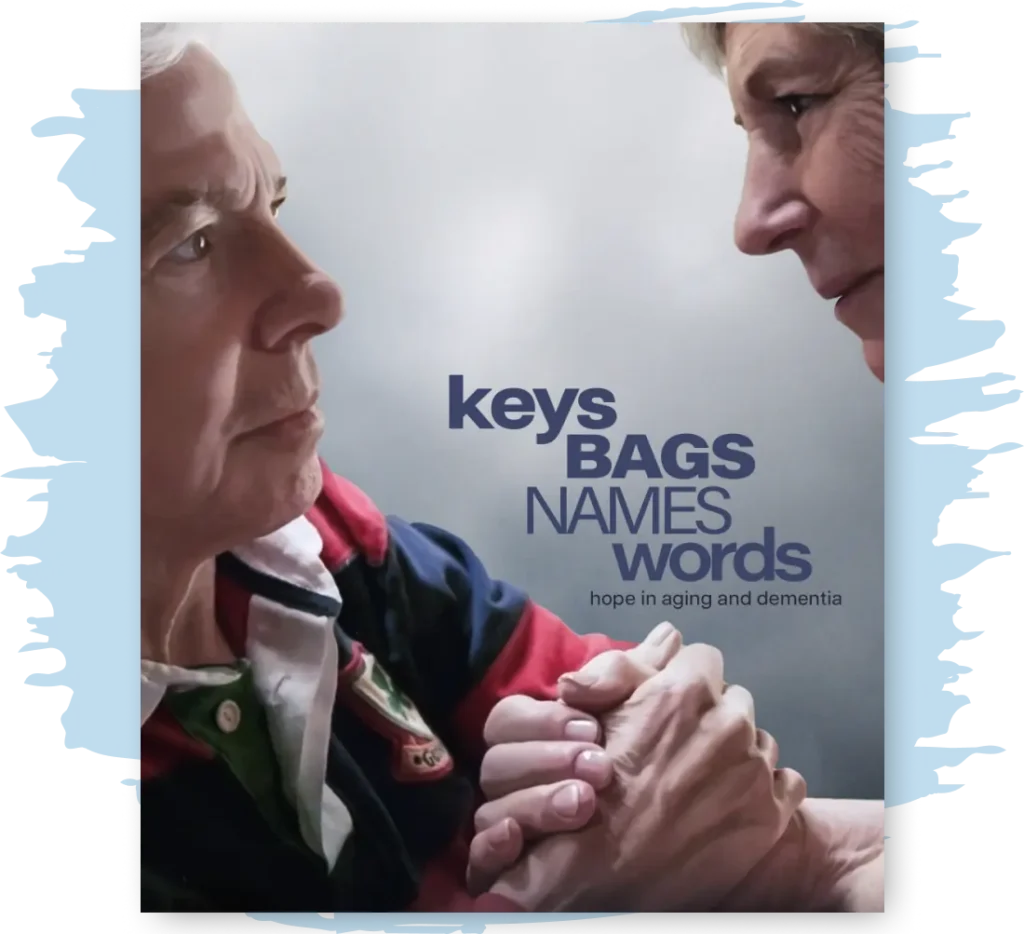
Keys Bags Names Words, from Cynthia Stone Media, is a documentary film about hope in aging and dementia. Released in 2023, it is now broadly available for viewing on Apple TV, Amazon Prime Video, and within your community.
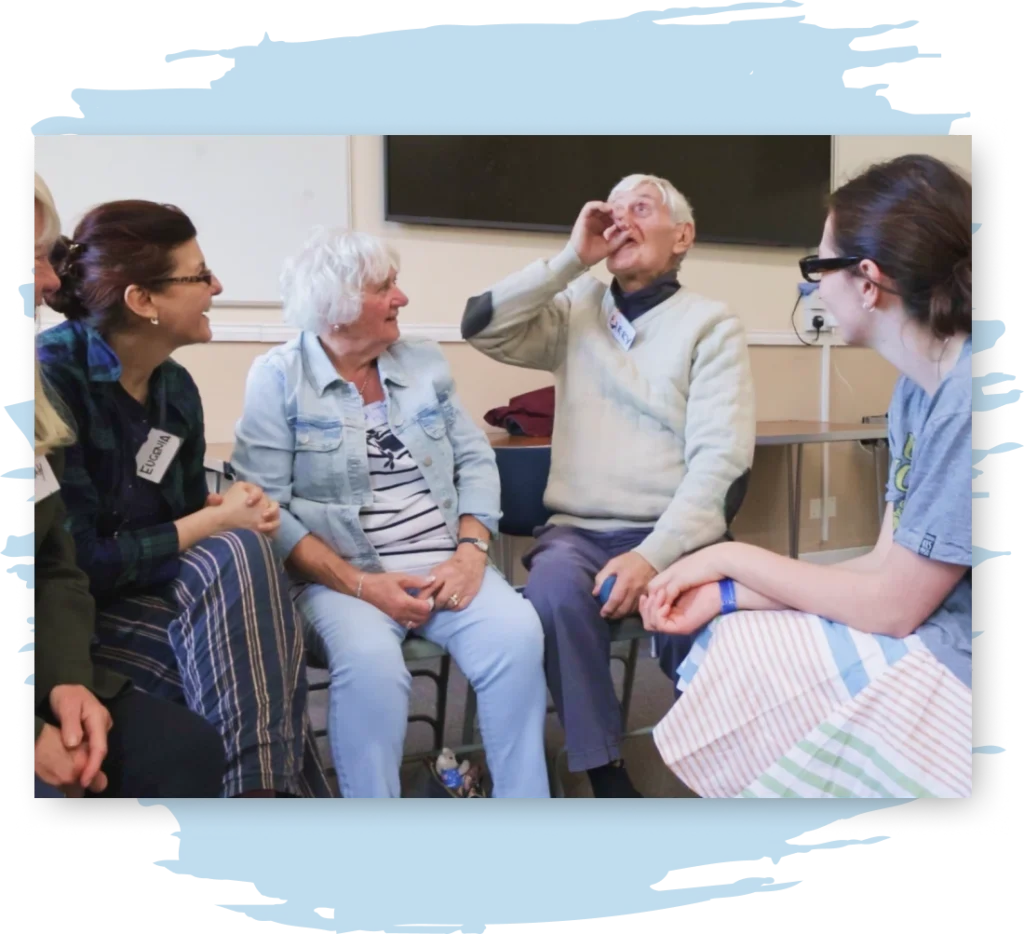
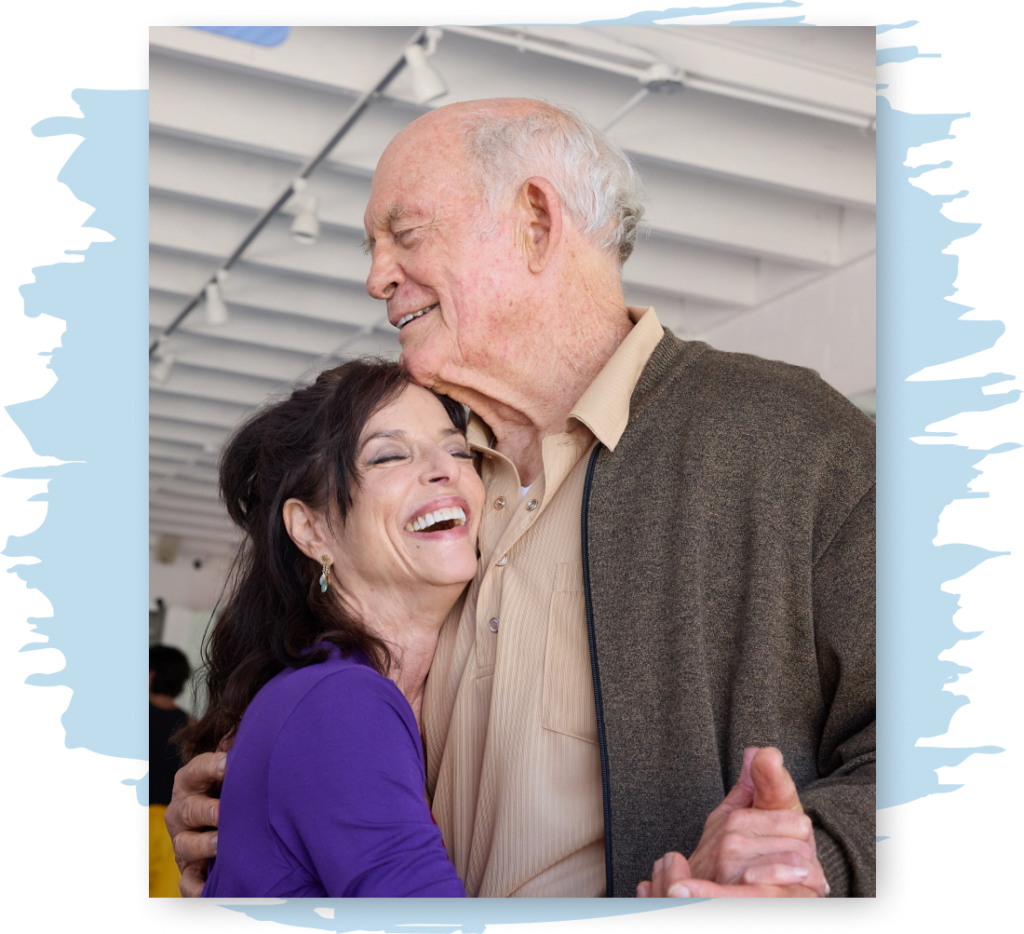
The film follows the experiences of those living with dementia and their caregivers. Among them is Jill Harmon caring for her husband, Don, who has lived with dementia for 14 years. She reminds viewers to laugh to find humor when they can, like she does when Don sometimes calls her by the name, Wanda.
Also, Dana Walrath, author and illustrator of Aliceheimer’s: Alzheimer’s Through the Looking Glass on the experience of caring for her mom, reminds viewers to go where they are, not try to pull their loved ones back into our world. She looks at people with dementia as teachers, because they live exactly in the moment. Something we could all do more.
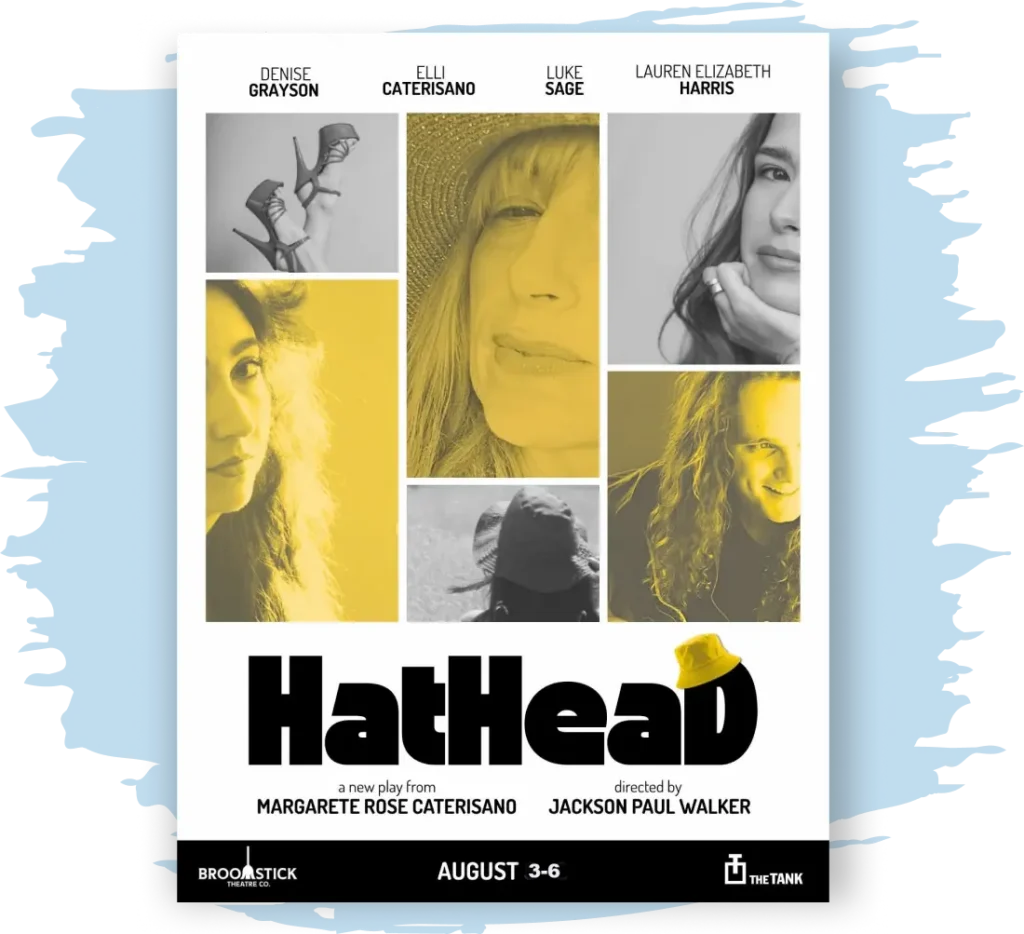
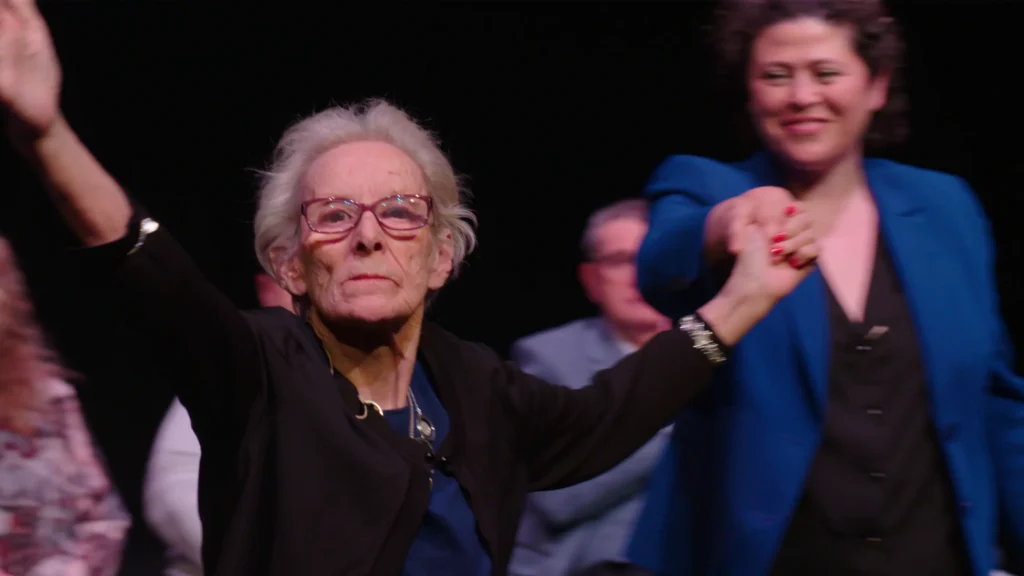
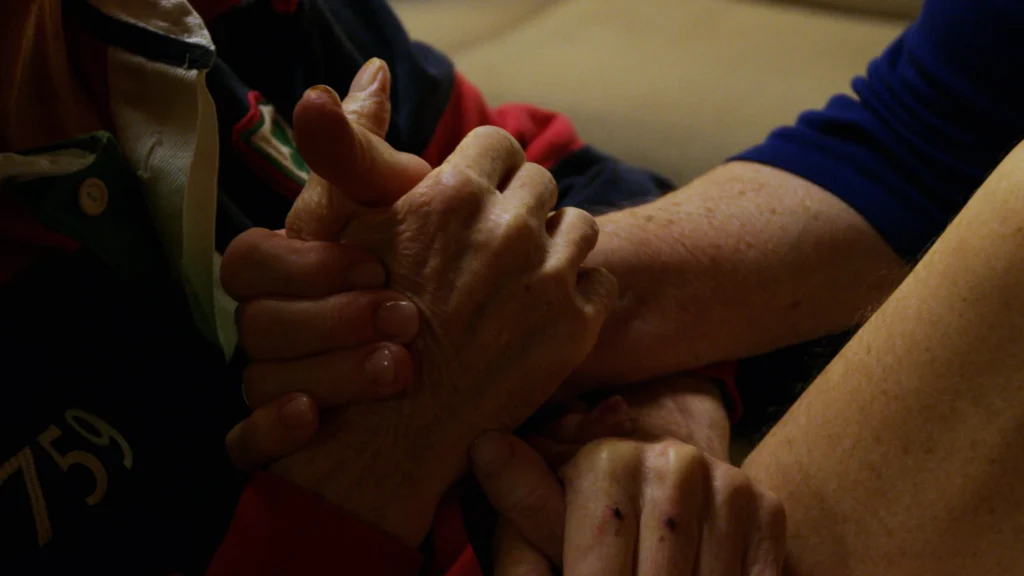
And Karin Diamond, leader of a theater group called Memoria for those living with dementia and their caregivers. She stresses that, at different stages of the disease, we may need to connect with our loved ones differently. At early stages, processing grief through communication with words can be helpful, while in later stages, touch and music can create that spark.
The concept for Keys Bags Names Words began with an oral history project by the Global Brain Health Institute (GBHI) called hear/say. It gave voice to those impacted by dementia through a reader’s theater and a series of books. The stories were so powerful, GBHI decided they wanted to create a film.
A collaboration of the University of California San Francisco and Trinity College Dublin, GBHI approached me, and I was intrigued with the idea of doing a film that didn’t shy away from the heartbreak of dementia. We experienced it in my own family, and I know it to be real and devastating. But I also wanted to show the sparks of joy and magic, even humor, that carers and loved ones can experience when connecting with a person experiencing dementia.
The film asks and explores the questions: How do we connect with a loved one who doesn’t recognize us? How can those with the disease experience a higher quality of life? How do we protect our own brain health? How do we turn fear and hopelessness surrounding the disease to hope and action?
What helped you to depict dementia in this work?
During my initial research, I was just observing and talking with people to better understand the impacts of dementia. I asked a group of Atlantic Fellows for Equity in Brain Health at GBHI what kind of film they would like to see.
These incredibly talented people from around the world who are working in the area of dementia through science, medicine, policy, and the arts spoke about how heartbreaking the disease is, how financially devastating for families, all things I expected. But then, they said something truly surprising. They implored me: “Show the magic moments, the humorous moments that can happen, the joy.”
That totally floored me. I wanted to explore that dichotomy: the heartbreak and the joy. I was also fascinated by the complexity of the human brain and the essential question: Without our memory, who are we?
How has working on dementia-related art changed you?
I’ve been drawn to stories profiling people working to solve seemingly intractable problems. Dementia touches so many, not only those diagnosed, but those who care for people with dementia. It presents profound challenges to families and societies.
As global populations age, the number of people living with dementia grows, tripling by 2050 to 152 million (according to the World Health Organization)—overwhelming families, communities, public health care systems and economies worldwide. The fear around this disease is palpable. Doing a film that acknowledges that fear, but offers strategies and hope, I found really compelling.
During the making of this film, I’ve been excited by the incredible things people can do and achieve as they age. And I am comforted, as I grow older, by the many strategies in this film for dementia prevention and a higher quality of life after diagnosis. There’s a lot we can do.
How has Keys Bags Names Words been received?
After our community engagement campaign of nearly 300 screenings in 32 countries, with more to come, I’ve been so moved by the response to the documentary film, and especially touched by the conversations we have with people in our post-screening discussions. Viewers are grateful for the opportunity to connect with a panel of brain health experts and those with the lived experience, like Jill Harmon or Walt Dawson. Keys Bags Names Words is really a vehicle to start that conversation and get people connected to each other and the resources they need.
This work is dedicated to: Those who were courageous and generous enough to have shared their story with us in the film. I hope they know how much they touched people and helped them with strategies on how to connect; to live with less fear and more acceptance; to shift the way they look at the disease. They taught us how to keep our own brains healthy and live with a higher quality of life after diagnosis. It’s a vulnerable thing to put yourself out there, and I could never express enough how grateful I am. This film was like a gift to me, personally, because from them, I learned how to be with my own mother when she experienced memory loss, not without heartbreak, of course, but in a profoundly meaningful way. And so it’s also dedicated to my amazing mom.
Find more from Key Bags Names Words and its creators on its website, Instagram and Facebook. The film is available for viewing on Apple TV and Amazon Prime Video at home and, with screenings regularly added to the calendar, perhaps in your community here. Interested in hosting a screening of your own? Head to this page!