
What is Drawing on Memory – Works by Harry Hansen, and how did it come to be?
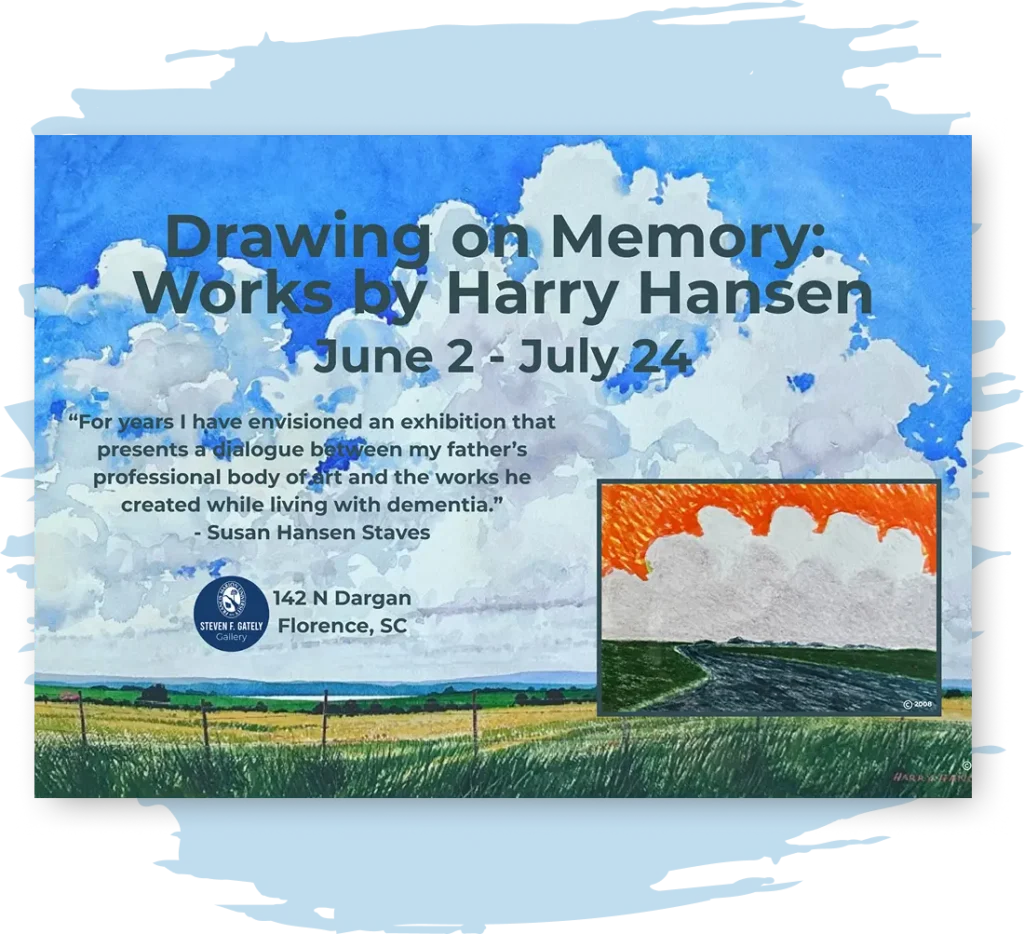
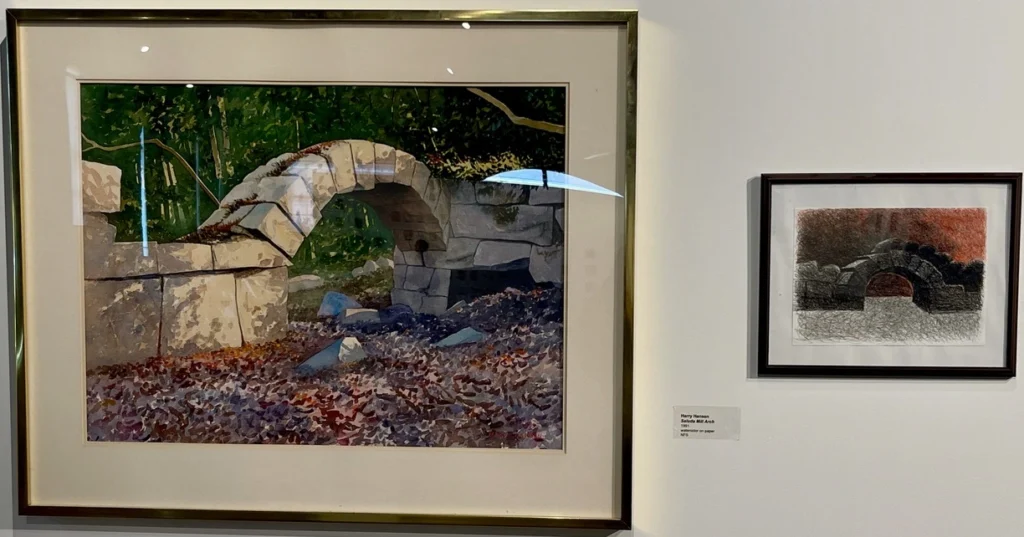
Drawing on Memory – Works by Harry Hansen, presented by The Immutable Passion Project, is a solo exhibition that showcases the artistic work of Harry Hansen during both his professional years and the years in which he was living and creating with frontotemporal dementia (FTD).
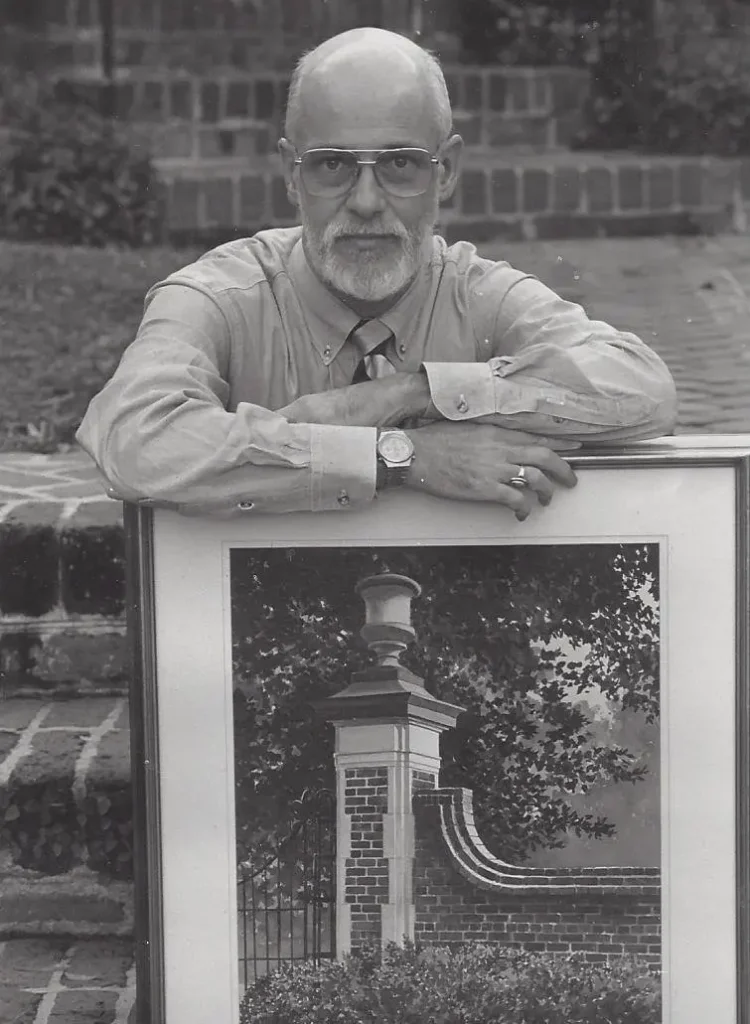
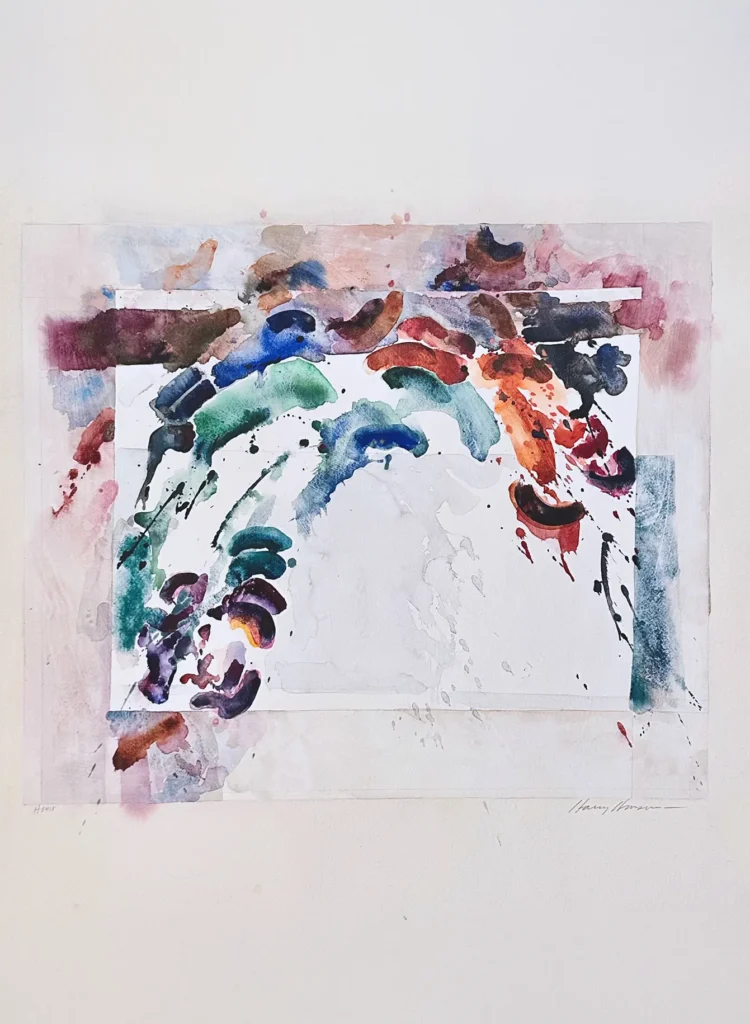
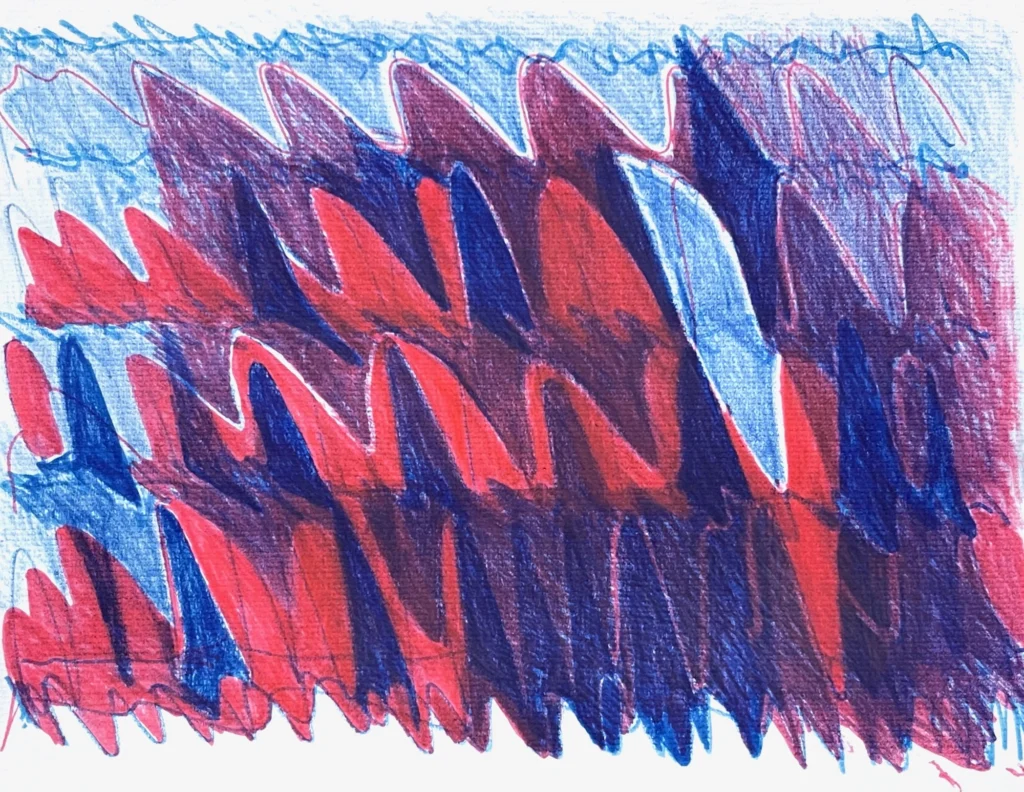
My father’s artwork includes expressive abstract encaustics and watercolor landscapes. The exhibition showcases earlier works paired with drawings and paintings created after the onset of cognitive decline. Seen together, the works reveal how his visual language gradually distilled while maintaining the core of his artistic voice.
My father was, above all, a teacher. As a professor of art at the University of South Carolina for nearly 40 years, he shaped the lives of countless artists in the region. Even now, people introduce themselves by recalling a class they took with him — a quiet testament to his lasting impact.
For over a decade, I have envisioned such an exhibition of my father’s work. And in 2012, my mother, Dee Hansen, and I founded The Immutable Passion Project. Creating this exhibition has been a labor of love. Through sharing his art, we believe his teaching continues.
Drawing on Memory builds on years of exhibitions, presentations, and collaborative outreach, including the exhibition of Harry’s work in: Revealing the Light Within: The Healing Power of Expressive Arts, at the University of Miami (Ohio).
Who initially inspired you to grapple with dementia?
Cognitive changes emerged in my father’s late 50s, beginning a long and confusing path to understanding that he was living with dementia.
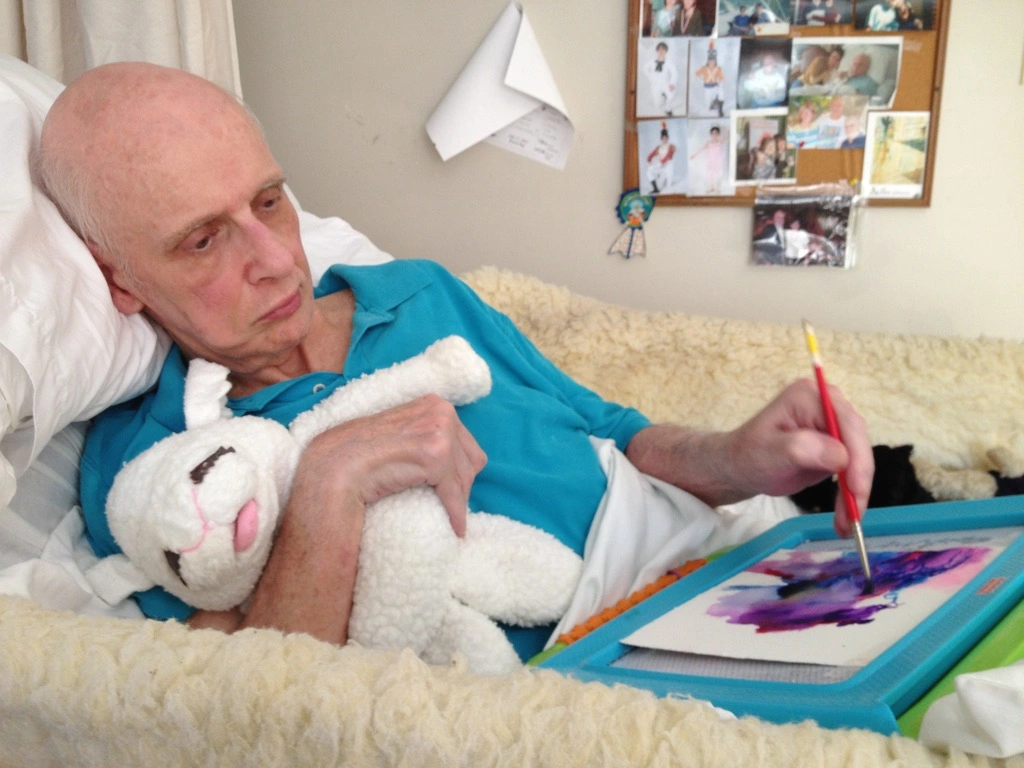
At many points along the way, there were periods of grief as we witnessed facets of him fade or become less accessible. One of the most difficult was a 5-year period in which he stopped creating art altogether. Over years of continually offering creative opportunities, he eventually began making art again.
It was beautiful to observe how essential creating was to his sense of self. He drew nearly every day. We began to document this period, recognizing its significance. Sharing the return to his interests — his passion — felt meaningful, and it equally felt important to encourage other caregivers to find creative ways to support patients’ or loved ones’ selfhood.
How has working on dementia-related art changed you?
As this project has evolved over the years, so too has the relationship to my own art. Earlier in my practice, I sought to create work that would be well received by the “world.” Since moving through grief, and witnessing the stripping away that dementia brings, I find myself letting go of those layers of perceived security.
Within the rawness of that experience — the profound heartache and its polarity of unexpected joy, especially in the recognition of sustaining identity — I have become more willing to be vulnerable in my work.
In recent years, while archiving my father’s career and the more than 1000 pieces created during his dementia, I have come to recognize his personal themes of solitude and his reverence for landscape. These revelations are informing my own artistic path in ways I do not fully understand yet.
How has Drawing on Memory been received?
Our talks and exhibitions have reached a broad range of audiences. In the museum settings, there is often a deep appreciation and felt understanding that Harry was tapping into a deep well of artistic knowledge when creating his later works.
It is not uncommon for gallery visitors to engage us in conversation, expressing how unexpected the exhibit is and how emotionally moving they find it — often because dementia or Alzheimer’s disease has touched their own lives.
Caregivers share with us their experiences of connecting with their patients. Others in the audience often have specific questions about decisions we made around care. These are usually from family members in the midst of navigating the care of a loved one.
I consistently come away from these engagements with the confidence that sharing my father’s artwork and story helps open space for conversations around creative possibilities in care.
This work is dedicated to: This work is dedicated to all those who have helped us realize this vision — to caregivers around the world, and to Harry Hansen, whose life and example remain our inspiration.
Find more The Immutable Passion Project and Susan Hansen Staves on the website, Facebook, Instagram, and YouTube. Those local to South Carolina can catch the exhibit in person June 2 to July 24 when it shows at FMU’s Steven F. Gately Gallery.